
Directors' Duties on nature and climate for food, beverage and agribusiness NEDs
In the boardroom, our responsibility is not only to drive growth, but to ensure it is enduring. That means that nature and biodiversity are not optional considerations, but critical assets, ignoring them exposes our supply chains to risk.”
Zoe Howorth, Chapter Zero Fellow; Non-Executive Director, AG Barr PLC and Paragon Banking Group PLC
Read the full Deep Dive (12 minutes)
Legal Briefing: UK Nature-related Directors Duties - Food & Agribusiness SectorDownload the Board Discussion Prompts
Board Discussion Prompts: Directors Duties Nature in Food & AgribusinessWhat does the UK Nature Opinion mean for the food and beverage and agribusiness sectors?
For directors in the food, beverage and agribusiness sectors, the UK Nature Opinion crystallises the position that nature-related risks are no longer peripheral sustainability issues but core strategic considerations that fall squarely within the remit of directors’ duties. The food, beverage and agribusiness sectors are uniquely exposed to nature loss, making these duties especially salient. Declining ecosystem services, tightening regulation, and rising scrutiny from investors and consumers are already influencing margins, market access, and long-term asset value. These risks are foreseeable and often financially material.
In practice, this means boards must ensure they have sufficient visibility over the company’s dependencies and impacts on nature and the potential risks these may pose. For example, the increasing frequency of extreme weather events in the UK, or the rapid expansion of deforestation-free supply chain laws internationally, will shape procurement strategies, capital allocation, insurance costs, and operational resilience. Similarly, the risk of enforcement activity – from greenwashing rulings to substantial penalties for pollution incidents – demonstrates that food and agriculture companies can be held to account for nature-related harms.
Supply chains in the food, beverage and agribusiness sectors add a further level of complexity. As noted by the TNFD’s Food and Agriculture Sector guidance, many organisations operate through complex webs of supplier networks where business models and practices vary significantly across regions.
For UK companies, this means that material nature-related risks may arise far beyond their domestic operations, particularly in jurisdictions with weaker environmental governance, higher deforestation pressures, or greater vulnerability to ecosystem decline. These upstream risks have the potential to disrupt production, trigger regulatory scrutiny, and create reputational harm across the value chain.
The UK Nature Opinion underscores this point, noting that “nature-related risks can be relevant to a company’s operations, supply chain and financial success over the short, medium and long term and by extension the role of directors in governing the company” (our emphasis).
Our analysis demonstrates that nature-related risks are no different to any other risks faced by company directors. Directors are required to give consideration to all relevant risks facing their businesses.”
Rebecca Stubbs KC, Maitland Chambers (co-author of the UK Nature Opinion)
Related Content

UK Legal Opinion: Nature-Related Risks and Directors’ Duties
In this briefing, the Commonwealth Climate and Law Initiative outline the key findings of the March 2024 legal opinion - ‘Nature-related risks and directors’ duties under the law of England and Wales’, and actions directors can take.
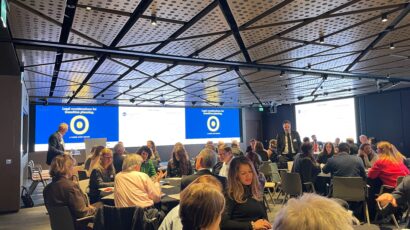
Legal considerations for transition planning: Strategic climate planning
Chapter Zero has partnered with Freshfields and the Centre for Climate Engagement to explore climate-related legal questions with non-executive directors from across the UK. The series began in September 2023 with a session providing an overview of the interaction between climate change, legal issues and business, and then focusing on legacy risks to companies, including litigation, and how they can be mitigated. Below is a summary of the second session which explored the landscape of legal issues that organisations face in daily operations and when implementing climate strategy, identifying key legal considerations at the forefront of transition planning.