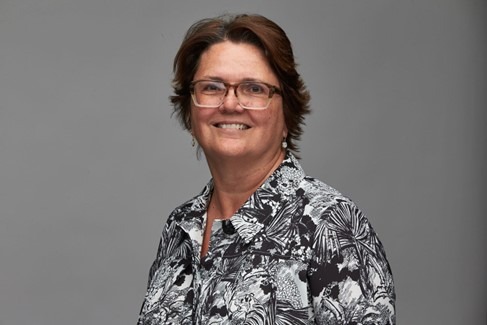
Chair, Jo Harlow, speaks of integrated challenges, adaptation and persistence
Boards are facing integrated challenges
While many boards have considered their sustainability and climate mitigation targets and activities as a separate silo of strategy, the clear evidence of the real impacts of climate change on operations, supply chains and resilience are becoming more and more visible.
This evidence needs to lead to a more integrated approach to risk management that not only considers the impact of physical climate risks but also how climate change is amplifying all identified material risks. Health, AI, and global economic disruptions are just a few of the topics where climate considerations are particularly relevant.
Chapter Zero has an important role to play in bringing its members together to explore how NEDs can be prepared to lead and challenge these integrated discussions.
Mitigation and adaptation are important
TCFD reporting, transition planning, other reporting and assurance requirements have been a key feature of the last few years of focusing on climate. This documentation has forced board and management to carefully consider how they will meet the net zero, carbon equivalent mitigation, biodiversity or other targets that have been set.
It has had a positive impact and led to demonstrable reductions in CO2 equivalents in the UK and elsewhere. The harsh reality, though, is that in spite of all the efforts to mitigate carbon emissions, the world is still headed to go well beyond the 1.5-degree target and will surpass it soon. Where the peak is and whether we can bring temperatures down depends on scaled solutions for hard to mitigate industries, an energy mix and energy pricing that favours green electricity, an increased focus on the Global South and many other policy and technological advancements. In the meantime, every company must focus on becoming more resilient in the face of a 2-3-degree world.
As physical risks manifest themselves around the world, affecting direct operations and supply chains, boards need to bring the physical risks of a rapidly warming climate into strategy, risk management, capital allocation and going concern discussions that may have previously excluded climate before.
The Chapter Zero membership includes cohorts of board Chairs, Audit, Sustainability and Remuneration Chairs and offers thought-provoking events to enable NEDs to address both mitigation and adaptation.
Impact requires persistence
The success of a NED depends on the ability to influence the board and the company’s management to consider risks, opportunities, capabilities, disruptors, competitors and the mid-long-term value-creation horizon. Success also depends on NED persistence and resilience and always has done.
Leading on climate can sometimes feel frustrating and often feels lonely. Staying current on the issues and having a network with whom to bounce ideas, experiences and challenges are two powerful ways to continuously find the energy for the persistence that is required of a NED leading on climate.
The power of Chapter Zero is its membership. Convening NED and associate members to discuss the challenges of today, to hear from experts and to share case studies is how Chapter Zero helps members fuel their persistence.
UK companies are facing a time of significant change and Chapter Zero aims to fulfil its role of equipping and inspiring directors to lead on climate from the boardroom. I look forward to hearing from you and working with you as we continue this important work.
Related Content

All eyes on El Niño: "risk-multiplier" event may threaten up to $11trn in losses
Together, the World Meteorological Organisation State (WMO) of the Climate Update 2026 and the International Fund for Agricultural Development (IFAD) Food Systems Under Stress reports expose "a new age of climate extremes" with the warming effect of El Niño described as "a risk-multiplier" across global supply chains.

“Partnering, informing, shaping and challenging”: Barratt Redrow policy engagement case study
Non-executive directors enrich the boardroom discussion by encouraging effective collaboration through a organisation's internal and external networks. This case study explores how Barratt Redrow's board have helped inform their approach to policy dependencies by employing a "partner, inform, shape, and challenge" approach to governance, raising awareness and mobilising support for climate-related challenges and opportunities.

From ambition to implementation: What to expect from COP31 - Cambridge Institute of Sustainability Leadership
The success of this year’s COP31 conference in Antalya will be judged, says CISL, not just "by the agreements reached, but by its ability to accelerate implementation, investment and real-world delivery..."